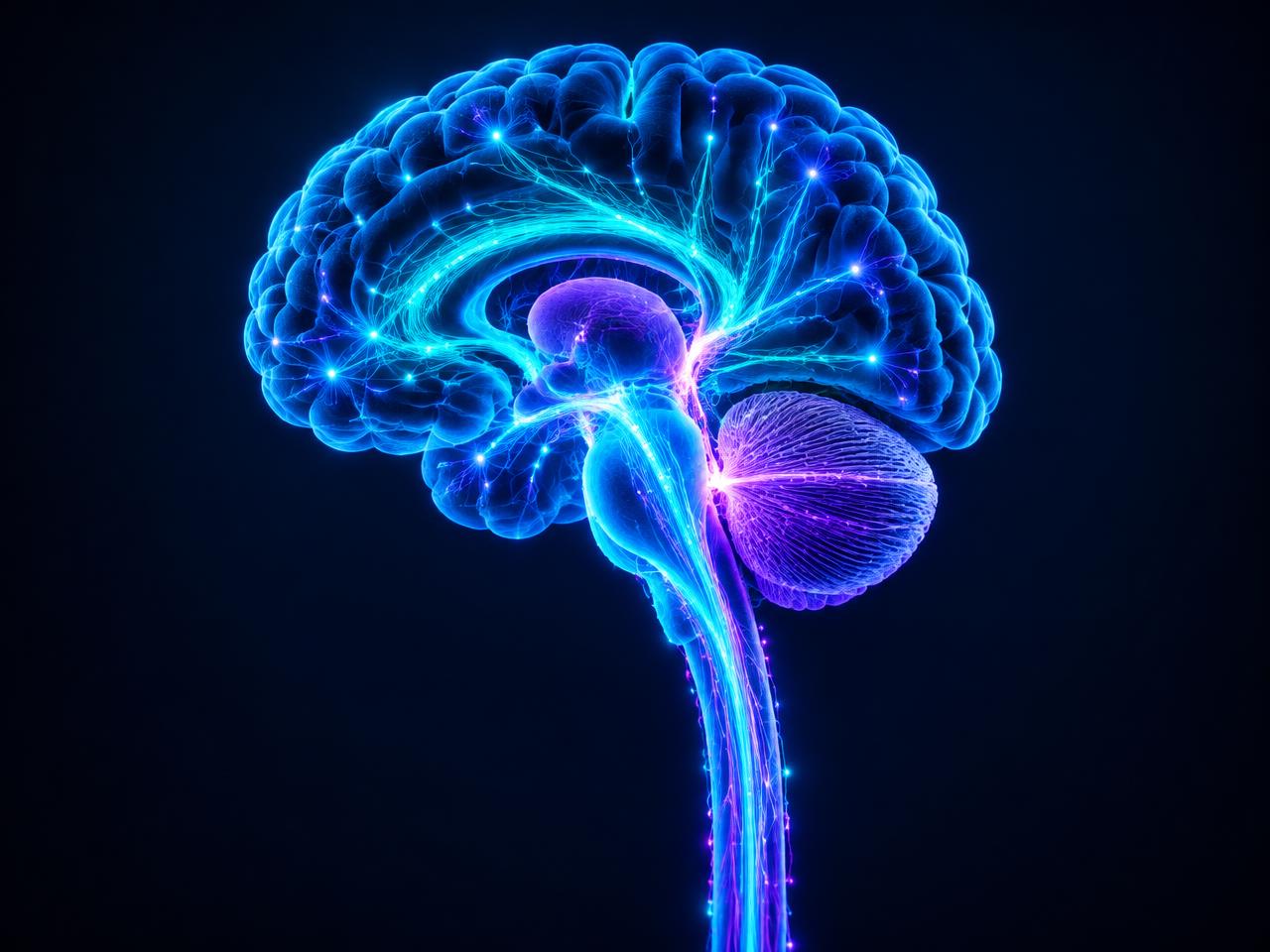
Core Foundations · neuroscience module
The neuroscience of core strength
Strength is more than a muscle working harder. It is your nervous system organizing movement, your senses reporting where you are, and your core helping you respond. Here is the foundation behind the practice.
Reading companion · Dr. Jared Leon’s brain–body presentation
Reading companion for Core Foundations. These topics belong to the same foundational brain–body presentation paired with all three classes—not additional lessons or a separate course.
Presentation recording · ≈15–20 min
The video has not been provided for this review. The reading content below is available now; no playable recording is connected.
Topic 01
Motor cortex: planning movement
The motor cortex contributes to planning and directing voluntary movement. A deliberate reach, a step or a controlled change of position involves coordinated signals—not an isolated muscle switching on.
Bring it into practice
During training, pay attention to the movement Anthony is demonstrating. Clear intent and controlled technique matter alongside effort.
Topic 02
Cerebellum: timing and adjustment
The cerebellum helps coordinate movement and compares intended movement with sensory feedback. It contributes to timing, accuracy and the adjustments that make movement more controlled.
Bring it into practice
Choose a pace that lets you notice and adjust your technique. Smooth control is more useful than rushing through a repetition.
Topic 03
Brainstem: postural support
Brainstem pathways contribute to posture and the automatic adjustments that help support the body against gravity. Those background processes work alongside the movements you choose consciously.
Bring it into practice
Notice your posture and breathing as you move. Core practice is about coordinated support, not simply holding everything as tightly as possible.
Topic 04
Proprioception: knowing where you are
Sensory receptors in muscles, tendons and joints provide information about position and movement. This feedback helps the nervous system coordinate how different parts of the body work together.
Bring it into practice
Notice where your trunk, hips and limbs are during each movement. Use Anthony’s cues rather than chasing speed or range.
Topic 05
Vestibular input: orientation and balance
The vestibular system in the inner ear senses head movement and orientation relative to gravity. Together with vision and body-position information, it contributes to balance and postural control.
Bring it into practice
Stay within a comfortable, controlled range. If movement brings significant dizziness or unsteadiness, stop and seek individualized guidance rather than treating a fitness class as rehabilitation.
Topic 06
Strength and control: bringing it into life
Producing force and coordinating that force are related, but different. Core training brings strength and movement control together in practice. Everyday activities such as carrying, reaching and getting up involve the whole system.
Bring it into practice
Find a repeatable training rhythm that fits your body and schedule. The aim is to practice movement for daily life—not meet a promised clinical outcome.
The 360-degree core
A team, not a single muscle.
Your core includes the abdominal wall, spinal muscles, diaphragm and pelvic floor—with your hips helping connect trunk and legs. Think coordinated support rather than just the visible abs.
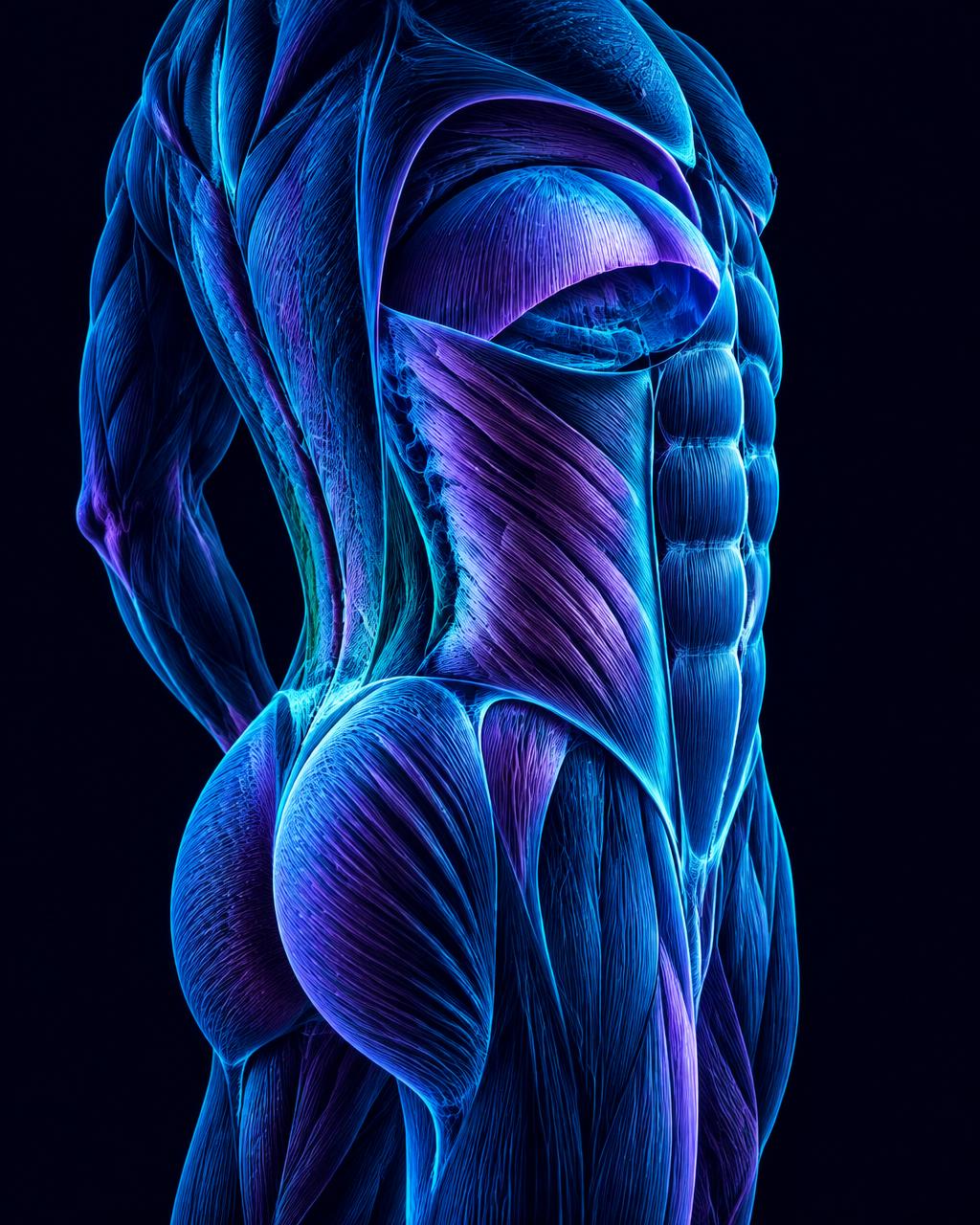
- Rectus abdominis
- Flexes the trunk and resists extension — the visible 'six-pack', but only one piece of the system.
- Transverse abdominis
- A deep, corset-like layer that helps build abdominal pressure. Important — but it works as a team member, not a solo stabilizer.
- Internal & external obliques
- Rotate and side-bend the trunk, and just as importantly resist unwanted rotation.
- Multifidus & erector spinae
- Back muscles that support segmental spinal control and keep you upright against gravity.
- Diaphragm & pelvic floor
- The roof and floor of the canister. Breathing and pressure management start here.
- Glutes & hips
- Transfer force between legs and trunk — essential for walking, lifting, climbing and balance.
Take the science into your practice.
Core Foundations pairs this presentation with its own approximately 30-minute bodyweight workout: movement preparation, core stability and strength, then cooldown and recovery.
Return to Core FoundationsGeneral fitness education only—not diagnosis, treatment or neurological or vestibular rehabilitation. Consult your healthcare provider before exercise, especially with dizziness, falls, worsening pain or recent surgery.